



Chardonnay is one of those white wines that refuses to be defined by a single flavour or style. It can be fresh and crisp, with notes of citrus and green apple, or rich and rounded, with tropical fruit, vanilla and a creamy texture. Give it time in oak, and it can develop deeper notes of toast, caramel and butter.
This versatility is what makes Chardonnay so fascinating to explore. The grape can express itself in remarkably different ways depending on where it is grown and how the wine is made.
From a bright, fruity Chardonnay to a rich, oak-aged expression, each style offers a different experience in the glass.
What does Chardonnay taste like?
So, what does Chardonnay taste like?
There isn't one simple answer. Its flavour can range from fresh citrus and green apple to ripe tropical fruit. The winemaking process can then add another dimension, bringing notes of vanilla, honey, butter, caramel or toast.
A fresh Chardonnay may remind you of lemon, lime, green apple or pear. A riper expression can lean towards pineapple and other tropical fruits. In wines that have seen oak, these fruit flavours can sit alongside vanilla, spice and toasted notes.
This range of flavours is one of the defining Chardonnay wine characteristics. But flavour is only part of the story. Acidity and texture are equally important in determining how a Chardonnay feels when you drink it.
Acidity: the freshness in Chardonnay
Acidity gives Chardonnay its freshness and energy.
A crisp Chardonnay with lively acidity can feel bright and refreshing, with citrus and green apple flavours coming through clearly. It is the kind of wine that leaves your palate feeling clean and makes you want another sip.
Acidity is particularly important when Chardonnay also has ripe fruit or oak character. It provides balance, keeping a fuller wine from feeling too heavy.
This is why two Chardonnays with very different flavour profiles can both feel balanced. One may be light and citrus-driven, while another may be richer and more textured, but acidity can remain the thread that connects them.
From citrus and green apple to tropical fruit
Fruit is another defining part of the Chardonnay experience.
In a fresh and youthful style, you may notice flavours of green apple, lemon and citrus. As the wine becomes more fruit-forward, those flavours can move towards ripe apple, pear and tropical fruit.
A fruity Chardonnay does not mean a sweet Chardonnay. A wine can be completely dry while still offering generous fruit flavours.
The difference is in the character of the fruit. Crisp styles tend to emphasise freshness, while riper styles can feel softer and more expressive.
When oak changes the character of Chardonnay
Oak can take Chardonnay in a completely different direction.
An oaked Chardonnay may be fermented or aged in oak barrels, allowing the wine to develop additional layers of flavour and texture. Depending on the type of oak and the winemaking approach, you may find notes of vanilla, toast, caramel and spice.
Oak can also make the wine feel rounder and more luxurious. Instead of simply tasting fresh and fruity, the Chardonnay can develop a smoother, fuller texture.
The most interesting oak-aged Chardonnays are not simply about tasting oak. The oak works alongside the fruit and acidity, creating a wine with greater depth and complexity.
Why does Chardonnay sometimes taste buttery?
If you've ever heard someone describe a Chardonnay as “buttery”, they are usually referring to either its flavour, its texture, or both.
A buttery Chardonnay can have a soft, creamy quality on the palate. This can be influenced by winemaking techniques such as malolactic fermentation, which can soften acidity and contribute creamy, buttery impressions.
Oak can complement this character by adding flavours such as vanilla, toast and caramel.
The result is a style of Chardonnay that feels richer and more rounded than a fresh, crisp expression. It can be particularly appealing with richer foods and dishes with creamy or buttery elements.
Exploring Chardonnay styles at Sula
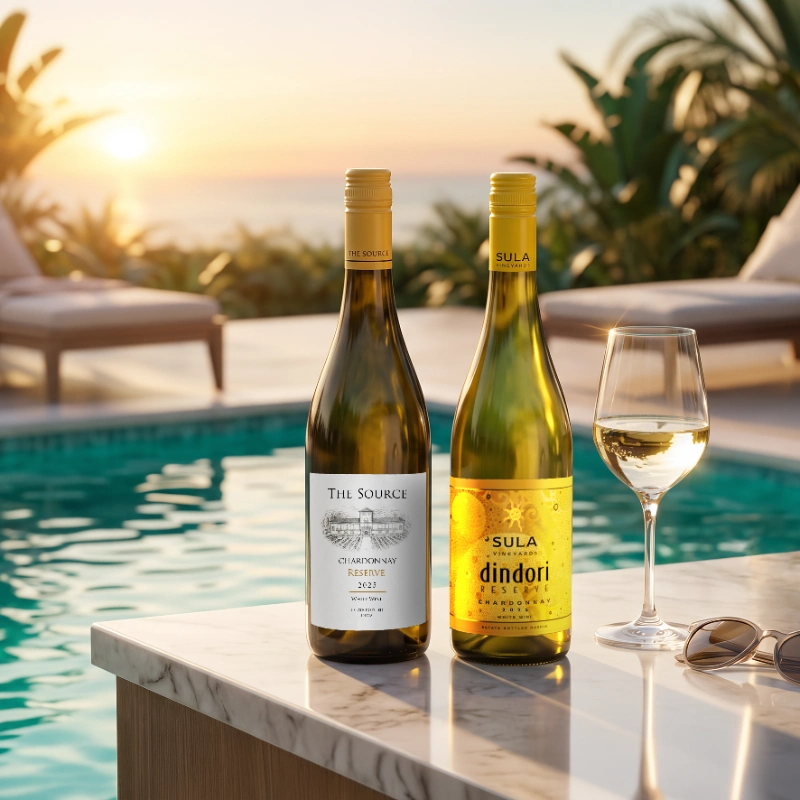
At Sula Vineyards, the versatility of the grape can be experienced through wines such as Dindori Reserve Chardonnay and The Source Chardonnay Reserve.
Dindori Reserve Chardonnay
Dindori Reserve Chardonnay brings together fruit, freshness and oak in a balanced expression.
It combines lemon and tropical fruit with notes of honey and vanilla. Partial barrel fermentation and ageing in French oak contribute to its creamy texture, while the fruit and acidity help maintain freshness.
It is a good example of a Chardonnay that sits between the crisp and rich ends of the spectrum. There is plenty of fruit and freshness, but oak and texture give the wine a fuller personality.
The Source Chardonnay Reserve
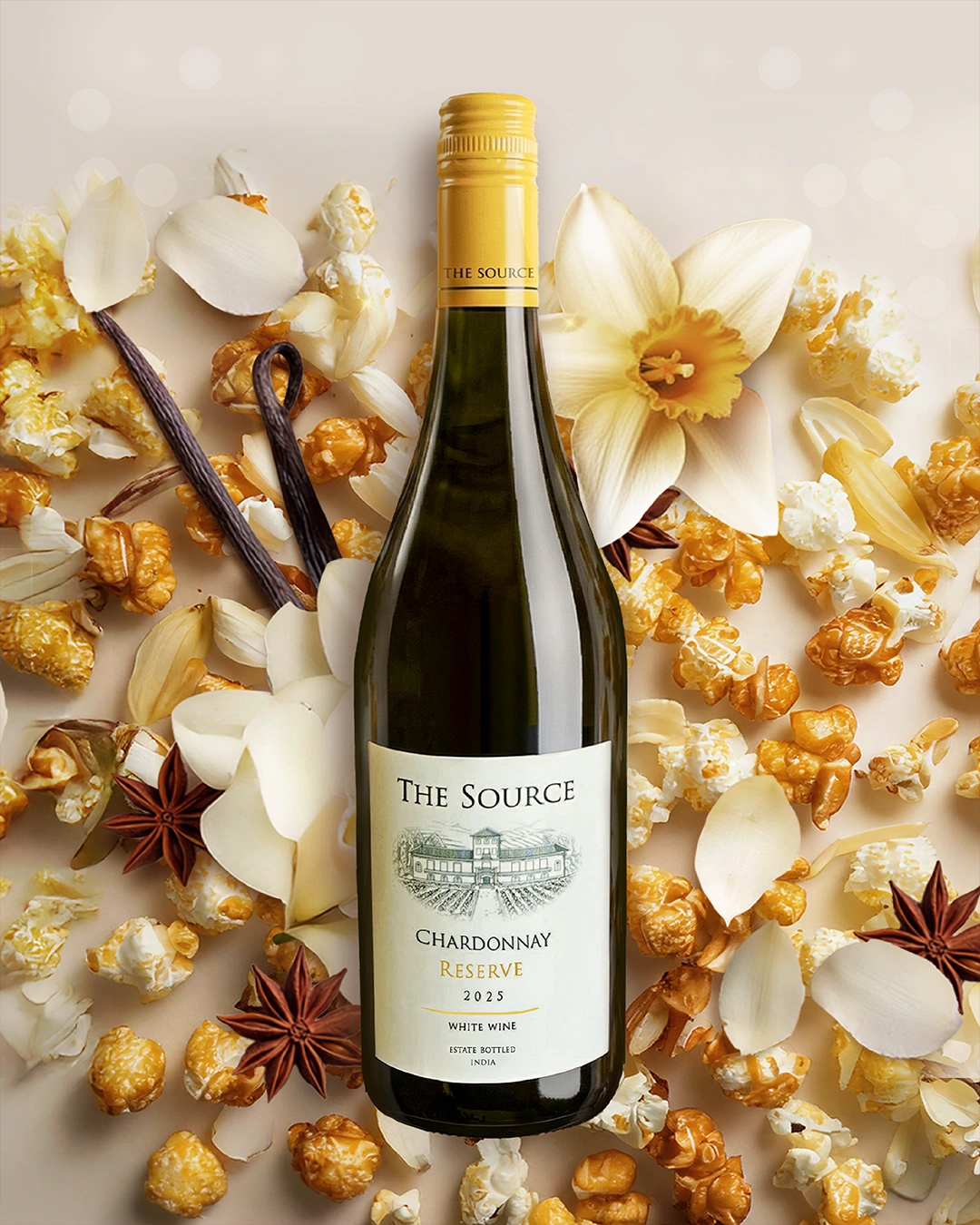
The Source Chardonnay Reserve explores a more layered, oak-influenced side of Chardonnay.
Partially barrel-fermented and aged in French and American oak, the wine brings together flavours of caramelised popcorn, candied apple, toffee and lemon. The oak adds richness and depth, while the fruit and acidity keep the wine balanced.
It shows just how dramatically Chardonnay can change when oak becomes a more prominent part of the winemaking process. For delicious meal pairings, explore our guide to enjoying Chardonnay with light meals.
Understanding the different Chardonnay styles
While every bottle will have its own personality, thinking about Chardonnay in terms of style can make it easier to understand what you are tasting.
Fresh and crisp: Bright acidity, citrus, green apple and a clean finish.
Fruity: Riper apple, pear and tropical fruit, with a generous fruit character.
Creamy: A softer, rounder texture with flavours that may include honey, butter and vanilla.
Oak-driven: More pronounced layers of vanilla, toast, caramel and spice, often accompanied by a fuller texture.
These categories aren't strict. A Chardonnay can be fruity and oaked, crisp and lightly creamy, or rich while still retaining vibrant acidity.
That is precisely what makes Chardonnay so versatile.
Finding your Chardonnay style
The best way to understand Chardonnay is to taste it across the spectrum. Check out our beginner's guide to the basics of wine tasting to get the most out of every pour.
If you enjoy wines that are bright and refreshing, you may find yourself drawn to crisp styles with citrus and green apple. If you prefer generous fruit flavours, a fruity Chardonnay with tropical notes might be more appealing.
And if you enjoy richer wines, explore expressions with oak, creamy textures and flavours of vanilla, butter, caramel and toast.
There is no single way Chardonnay should taste. Its character can change with the fruit, the climate, the winemaking and the time it spends in oak.
From fresh and crisp to rich and oak-driven, Chardonnay offers a style for every kind of wine drinker—and that journey from one expression to another is what makes the grape so enjoyable to discover.
Want to stay updated with the latest in the world of wines? Follow us on Instagram, Facebook, and LinkedIn today!